Definition
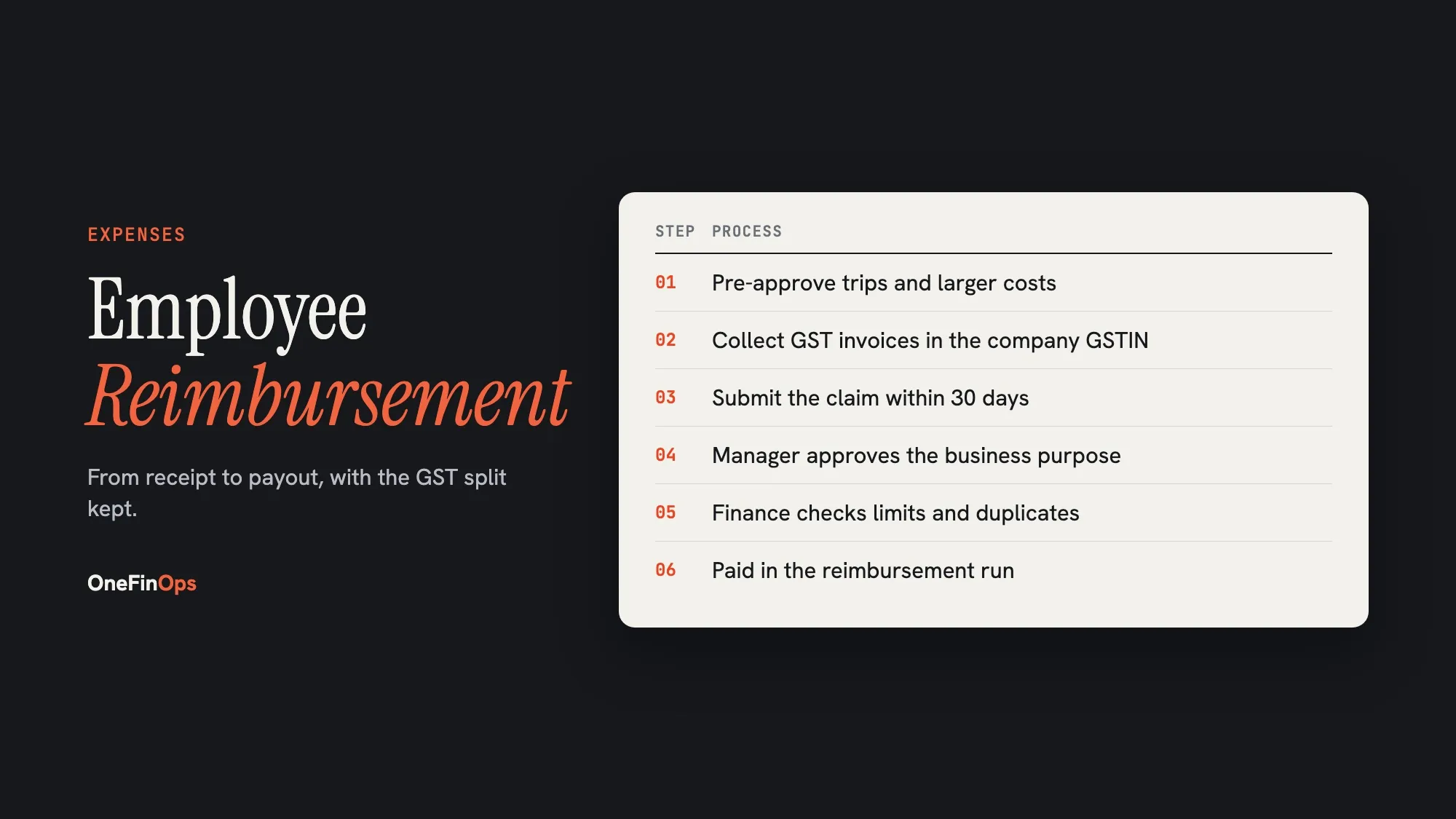
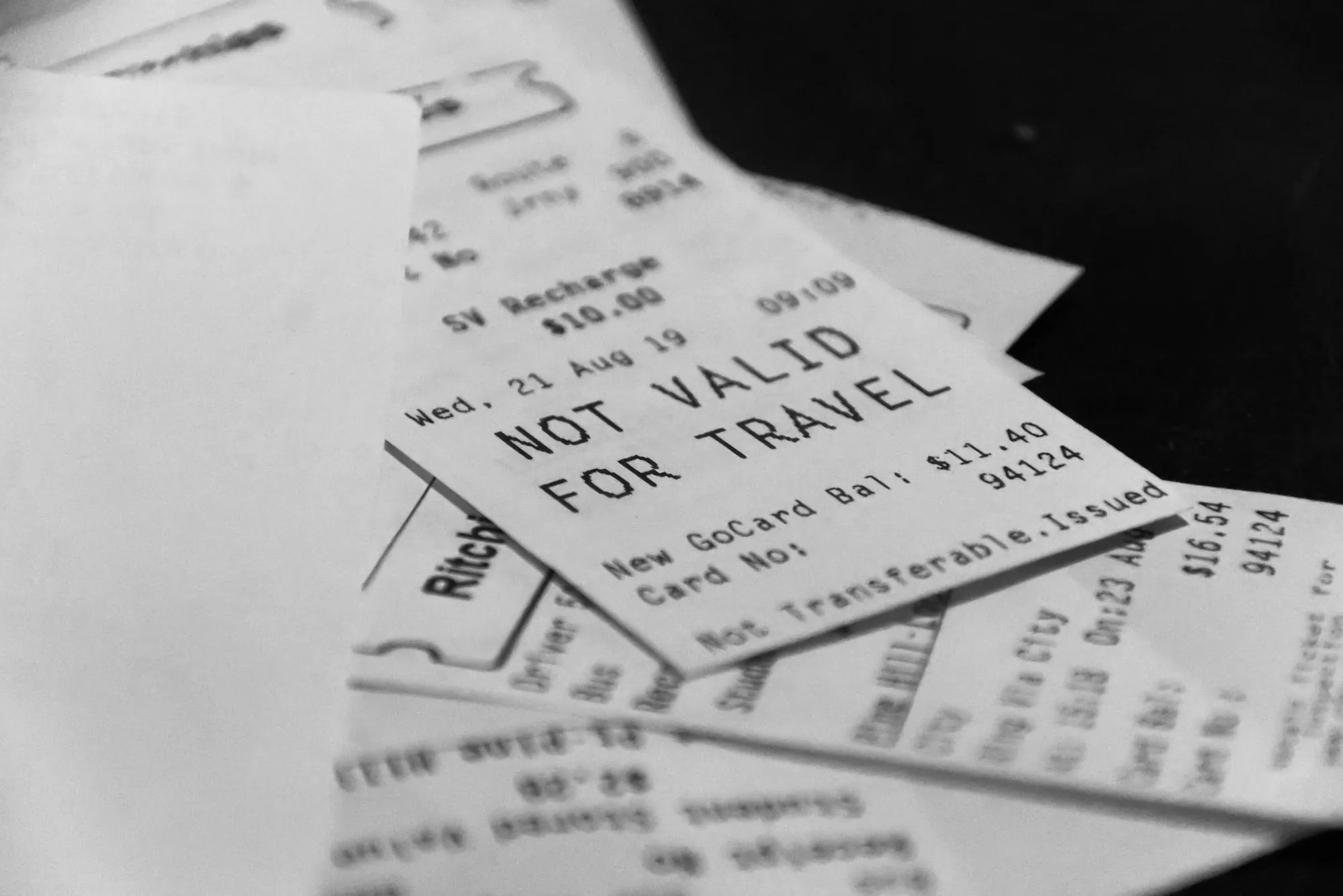
Per diem (Latin for ‘per day’) is a fixed daily allowance that employers pay to employees travelling on official business. It is intended to cover routine daily expenses - meals, local transportation, tips, laundry, phone calls, and other incidentals - without requiring the employee to submit individual receipts for each small expenditure. The employer sets a fixed rate per day based on the travel destination and the employee’s designation.
In the Indian context, per diem allowances receive favourable tax treatment under Section 10(14) of the Income Tax Act, read with Rule 2BB of the Income Tax Rules. Daily allowances paid for ordinary expenses incurred during travel away from the normal place of duty are exempt from income tax to the extent of actual expenditure. This means if the per diem is INR 1,500 per day and the employee actually spends INR 1,200, only INR 1,200 is exempt and INR 300 is taxable. Companies must maintain records to substantiate the exemption claim.
Indian companies typically set per diem rates based on city tier - metros (Delhi, Mumbai, Bangalore, Chennai) command higher rates than Tier 2 or Tier 3 cities due to cost-of-living differences. International per diem rates follow either company-defined rates or benchmarks published by government organisations. The per diem approach simplifies expense management significantly, reducing the volume of small-value transactions that need processing, but requires careful structuring to ensure tax compliance.
Key Points
-
Fixed daily allowance covering meals, local transport, and incidentals during business travel - eliminates the need for receipts on small expenses
-
Tax-exempt under Section 10(14) of the Income Tax Act to the extent of actual expenditure incurred by the employee
-
Rates are typically tiered by city (metro vs. Tier 2/3) and employee designation (junior staff vs. senior management)
-
Reduces expense processing volume - a 5-day trip generates one per diem entry instead of 20-30 individual receipt-based claims
-
Companies must maintain documentation that per diem was paid for travel away from the employee’s normal place of duty
-
Does not cover major expenses like hotels, flights, or client entertainment, which require separate receipt-based claims
-
International per diem rates must account for currency differences and should be benchmarked against published government travel allowance rates