Definition
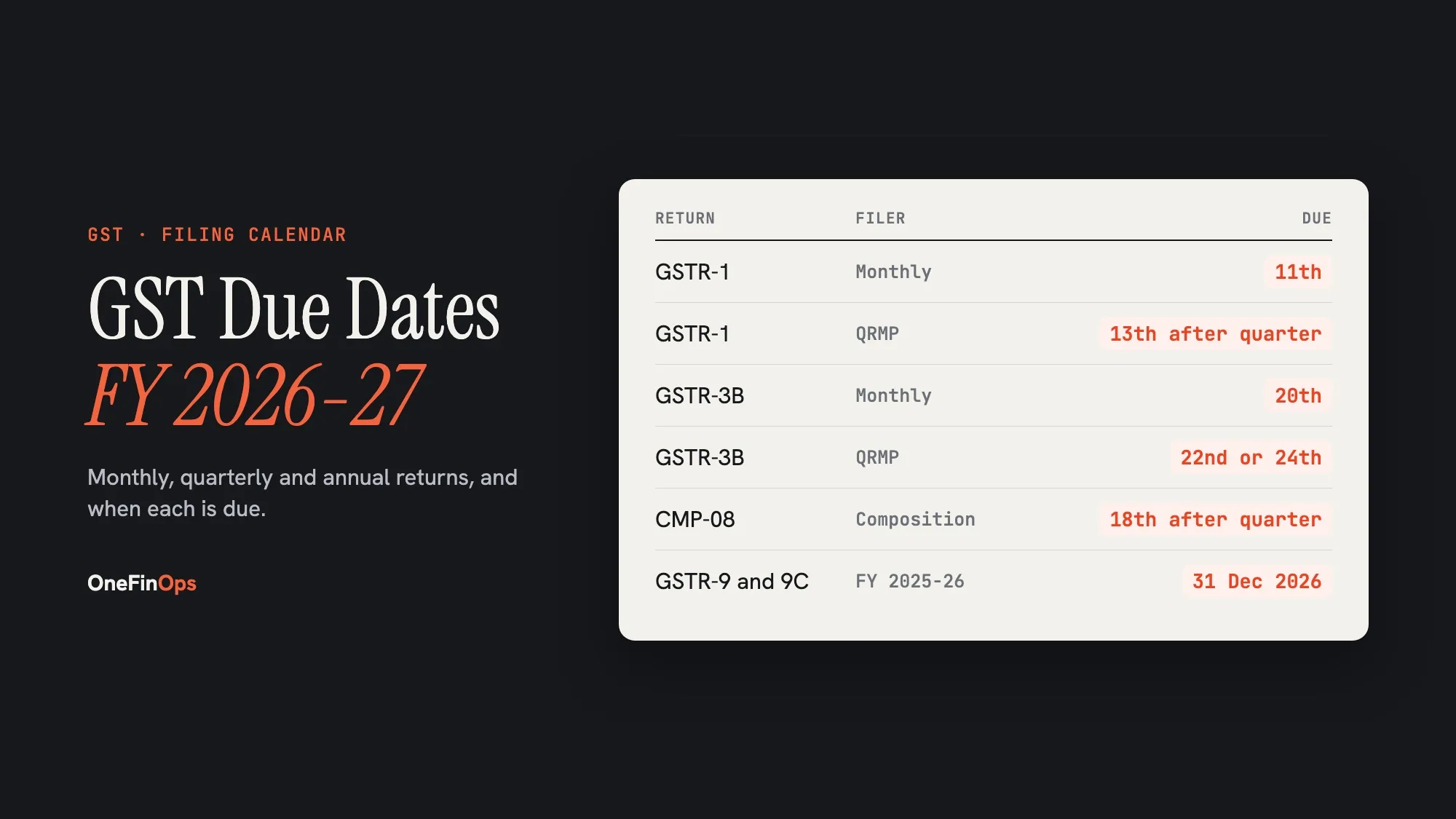
GST audit refers to the systematic examination of a registered taxpayer’s records, returns, documents, and compliance to verify the accuracy of reported turnover, taxes paid and collected, Input Tax Credit claimed, and refunds obtained. Under India’s GST law, audits can be initiated by the tax department (under Sections 65 and 66 of the CGST Act) or can be self-certified by the taxpayer through the annual reconciliation statement (GSTR-9C).
In the Indian regulatory landscape, GST audits serve as a critical enforcement mechanism. Section 65 empowers the Commissioner to conduct a general audit of any registered person, while Section 66 allows for a special audit by a chartered accountant or cost accountant when the department has reasons to believe that the taxpayer’s declared value is not correct. With the removal of the mandatory audit by a CA for businesses with turnover above Rs. 2 crore (effective from FY 2020-21), the GSTR-9C is now a self-certified reconciliation statement, but department-initiated audits under Section 65 have correspondingly increased.
A GST audit typically covers the examination of outward supply declarations, ITC claims and their matching with GSTR-2B, reverse charge compliance, classification of supplies (taxable, exempt, nil-rated), HSN/SAC code accuracy, e-invoice and e-way bill compliance, and the reconciliation of GST returns with financial statements. The department can initiate audits going back up to five years under Section 73 (without fraud) or extended periods under Section 74 (with fraud/suppression).
Key Points
-
Section 65 audit is a general audit initiated by the Commissioner, which can cover any registered taxpayer for any financial year within the limitation period
-
Section 66 special audit is ordered when the department believes declared values are incorrect - conducted by a CA or CMA nominated by the department
-
GSTR-9C (annual reconciliation statement) is now self-certified by the taxpayer for businesses with turnover above Rs. 5 crore
-
The mandatory CA audit requirement for GSTR-9C was removed from FY 2020-21 onwards, shifting the onus to taxpayer self-certification
-
Audit periods can extend up to 5 years under Section 73 (normal cases) and longer under Section 74 (fraud or willful misstatement)
-
Proper reconciliation of GSTR-1, GSTR-3B, GSTR-9 with books of accounts is the primary defense against adverse audit findings
-
Department audits have increased significantly since FY 2022-23 as the GST system matures and data analytics capabilities improve