


ACRA Filing
Corporate filings, from the books they describe.
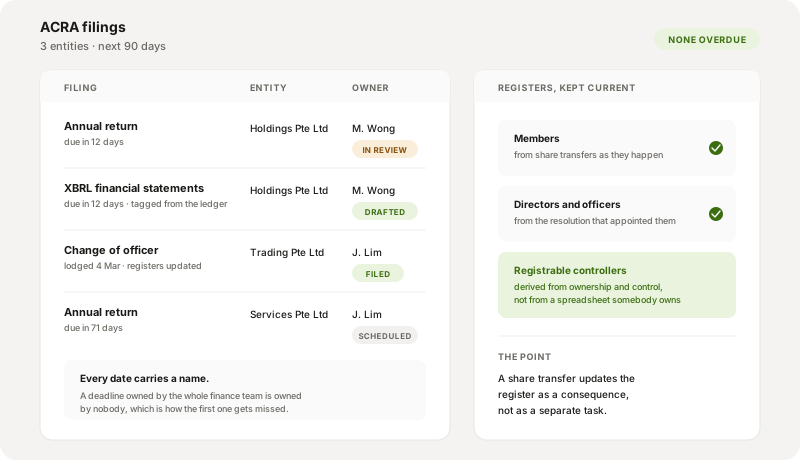
Your annual return and your XBRL financial statements are prepared from the ledger you already closed, with the statutory registers maintained alongside as events happen. The filing and the company records cannot disagree, because they are the same record.
Trusted by finance teams










Annual Return
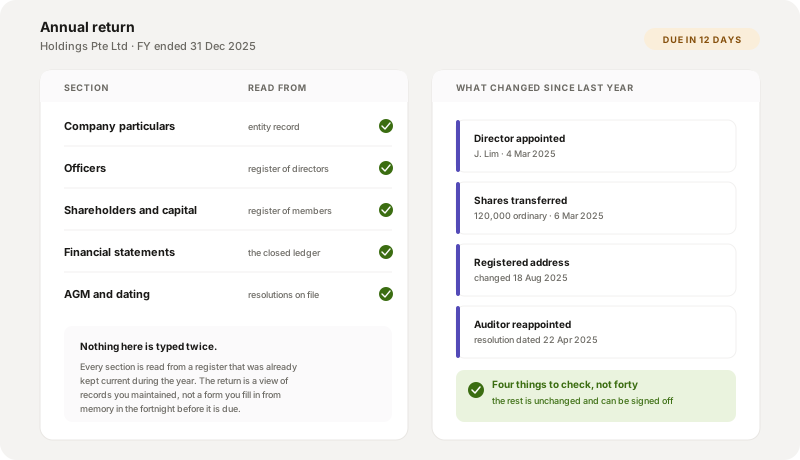
The annual return, from the books it describes.
Your annual return is prepared from the same ledger and the same registers the rest of your finance work runs on, so the filing and the company records cannot drift apart. The version you file is the version you can evidence.
XBRL Financial Statements
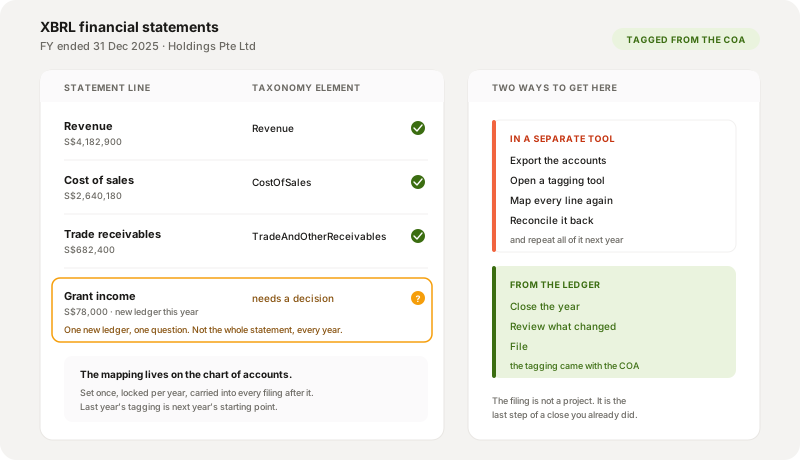
XBRL that comes from the ledger, not a re-key.
The statements you file are generated from the accounts you closed, tagged and mapped from your chart of accounts. Not exported to a spreadsheet, re-tagged by hand, and filed hoping the two still agree.
Register of Registrable Controllers
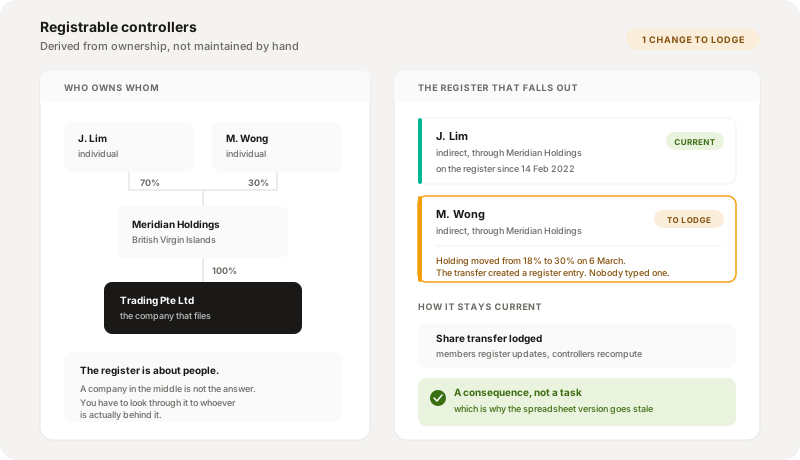
The controller register, kept current.
Ownership and control captured against the company record with the evidence behind each entry, and changes captured when they happen rather than reconstructed the week a filing is due.
Statutory Registers
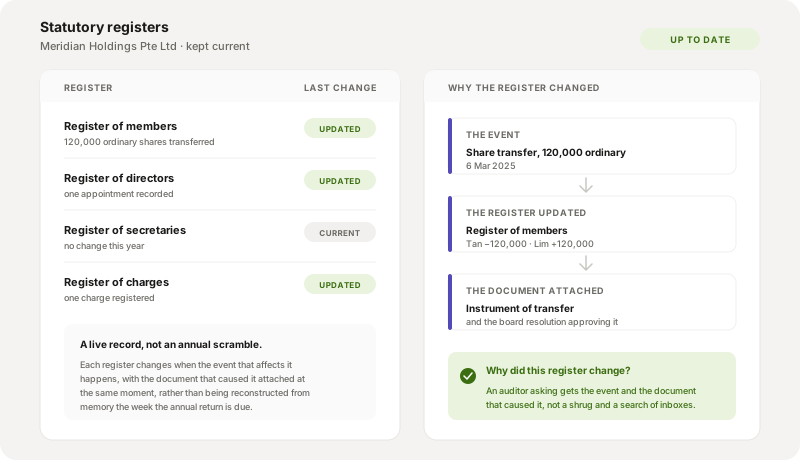
Registers that update when the event does.
Members, directors, secretaries and charges maintained as events happen, with the resolution or document that caused each change attached. An auditor asking why a register changed gets an answer rather than a shrug.
BizFile Integration
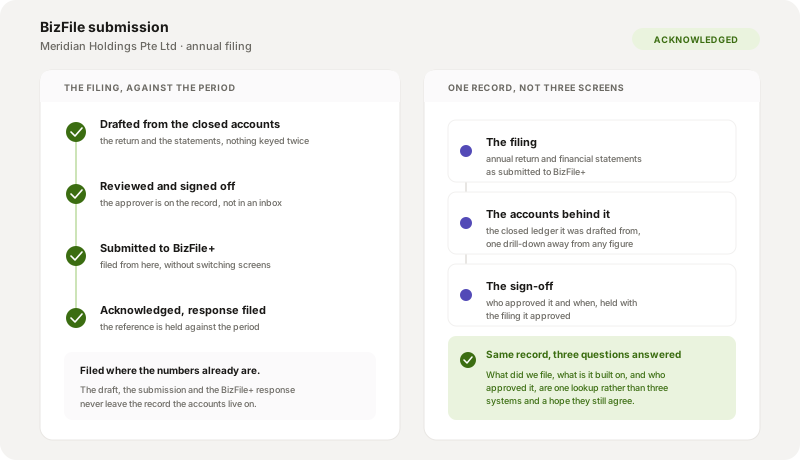
Filed without switching screens.
Submission and status against the period, with the response posted back and held as evidence. The filing, the accounts behind it and the sign-off stay on one record.
Compliance Calendar
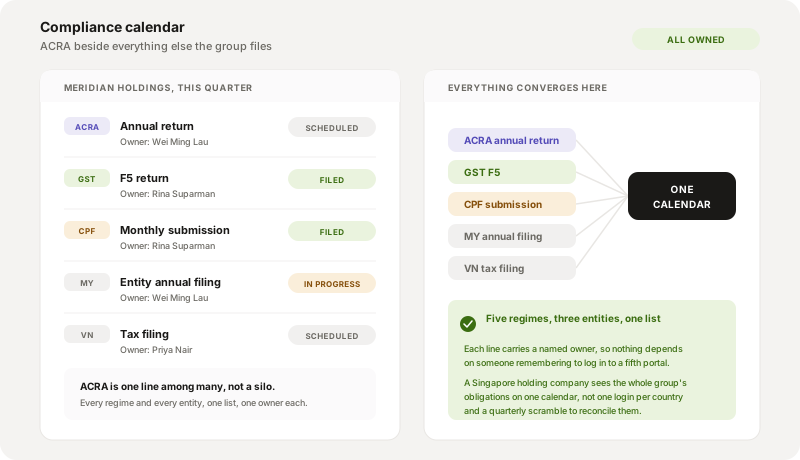
Every corporate deadline, per entity.
ACRA obligations sit alongside GST, CPF and the filings of every other country your group operates in, each with a named owner. For a Singapore holding company, that is the calendar that matters.
Buyer FAQ
What teams ask before they switch.
Our corporate secretary handles this. Why would we change?
Most teams keep theirs, and this makes their job easier rather than replacing it. What changes is where the source lives: your secretary works from your registers and your closed accounts rather than asking finance to export something and hoping it is current.
How is the XBRL prepared?
From the accounts you closed, tagged and mapped from your chart of accounts. The alternative most teams live with is exporting to a spreadsheet, re-tagging by hand, and having no way to prove the filed statements match the books.
Do we still need our corporate secretary?
Yes, for judgement. What the system removes is the re-keying and the reconstruction: registers update when the event happens, with the resolution attached, so the record is current rather than assembled the week a filing is due.
We have several entities. Does each file separately?
Each entity has its own registers, its own accounts and its own calendar. The group view shows who is drafted, reviewed and filed, so nothing is discovered late because it belonged to a subsidiary nobody was watching.
What are the deadlines?
They depend on your financial year end and your company type, and they are worth confirming with your corporate secretary or advisor. What the calendar does is hold whatever applies to you, per entity, with an owner against it.
See your annual return build from your ledger.
Connect your books, free. The return and the statements draft from accounts you have already closed.
Comparing alternatives?