


Withholding Tax
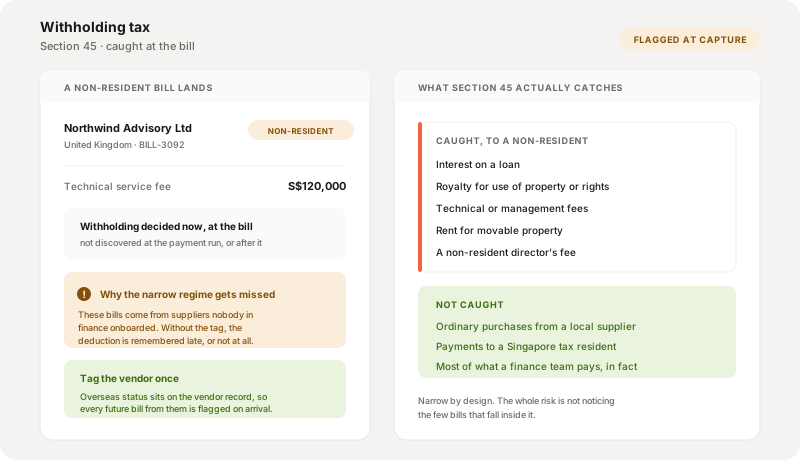
Caught at the bill. Not at the payment run.
Singapore's withholding regime is narrow, which is exactly why it gets missed. It catches payments to non-residents, and those are the bills that arrive from a supplier nobody in finance onboarded. Tagging the vendor once means the deduction is decided when the bill lands.
Trusted by finance teams










Rates by Payment Type
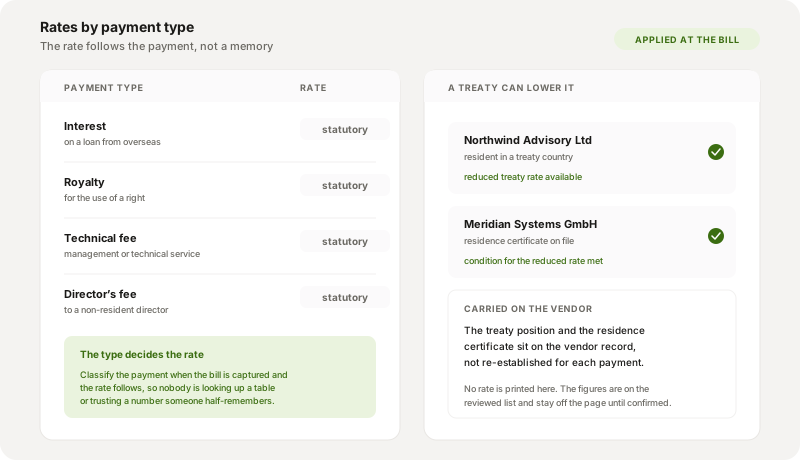
The rate follows the payment, not a memory.
Interest, royalties, technical service fees and director fees each carry their own treatment. That is configured against your payment types once, so the deduction is decided when the bill is entered rather than argued about when the payment is due.
Filing
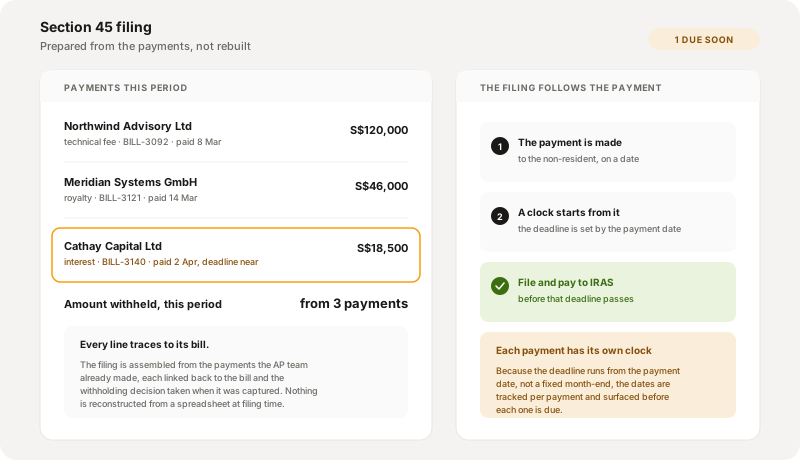
The filing, prepared from the payments.
Every withheld payment feeds the filing directly, with the bill, the vendor and the treaty position behind each line. Nothing is reassembled from a spreadsheet at the end of the month.
Non-Resident Vendor Payments
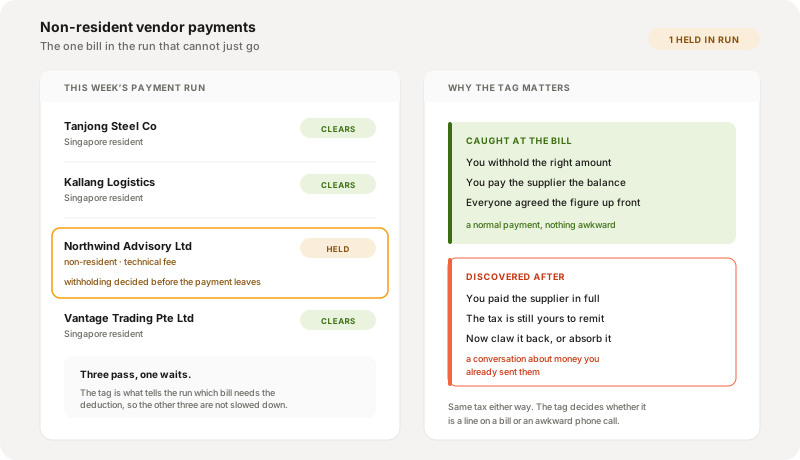
Flagged at the bill. Not at the payment run.
Overseas vendors are tagged once at the master, and a payment that attracts withholding is flagged when the bill lands. Discovering it at the payment run means either a late deduction or an awkward conversation with the vendor.
Buyer FAQ
What teams ask before they switch.
We only have a handful of non-resident payments. Is this worth anything?
Handfuls are exactly where it goes wrong. A regime you touch twice a year is one nobody builds a habit around, so it gets missed on the one bill that mattered. The value here is that you do not have to remember: the vendor is tagged and the bill flags itself.
How does the treaty position work?
It is held against the vendor record with its supporting evidence, so the same position applies to every payment to that vendor rather than being re-decided per bill. Whether a particular treaty applies is a question for your tax advisor; keeping the answer attached to the vendor is ours.
What if we get the rate wrong?
The rate follows the payment type from your configuration, and the deduction is visible on the bill with its reason before the payment is released. A wrong deduction caught at the bill is an edit; caught after payment it is a conversation with your vendor about money you did not send them.
Does this cover employment income?
No. Employment income runs through payroll and the auto-inclusion arrangements, which is a different surface. This page is about payments to non-resident vendors.
What are the rates?
They vary by payment type and by treaty, and they do change, so confirm them with your tax advisor rather than a marketing page. What we do is apply whatever is configured consistently and show the working behind every deduction.
See which of your vendors attract withholding.
Connect your books, free. Overseas vendors are tagged and the affected bills flagged on your real data.
Comparing alternatives?