


InvoiceNow
E-invoicing that runs on your actual invoice.
InvoiceNow is a network, not a portal. Your invoice is delivered to your customer's access point as structured data, straight off the record that drives your books and your GST return. Nothing is exported, re-keyed or reconciled afterwards.
Trusted by finance teams










Sending Invoices
Sent on the network, off your own invoice.
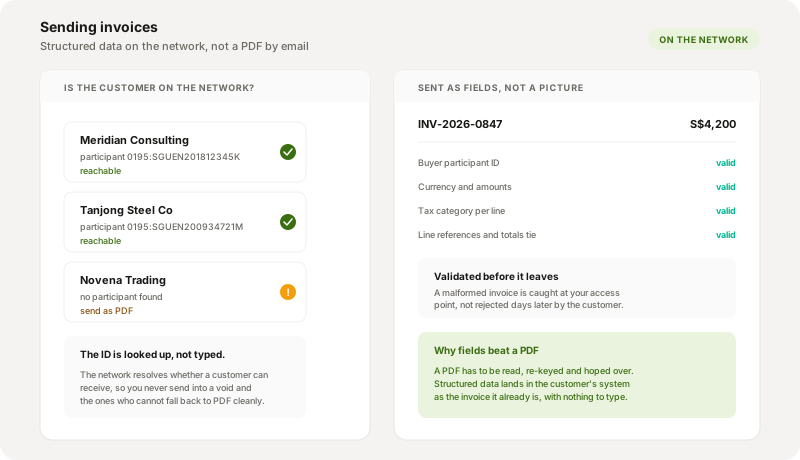
The invoice your customer receives on the network is the same invoice your books and your GST return are built on. Not an export of it, not a copy keyed into a portal. One record, one number, one version of what you billed.
Receiving Invoices
Supplier invoices arrive as data, not PDFs.
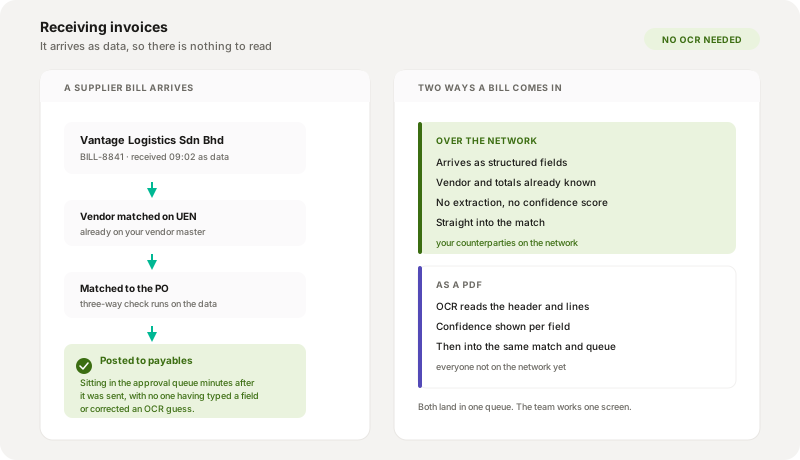
An invoice that arrives on the network lands as structured data against the vendor record, ready to match to its PO and GRN. No OCR pass, no re-keying, no waiting for someone to forward the attachment.
Delivery Tracking
Know it arrived. Not hope it did.
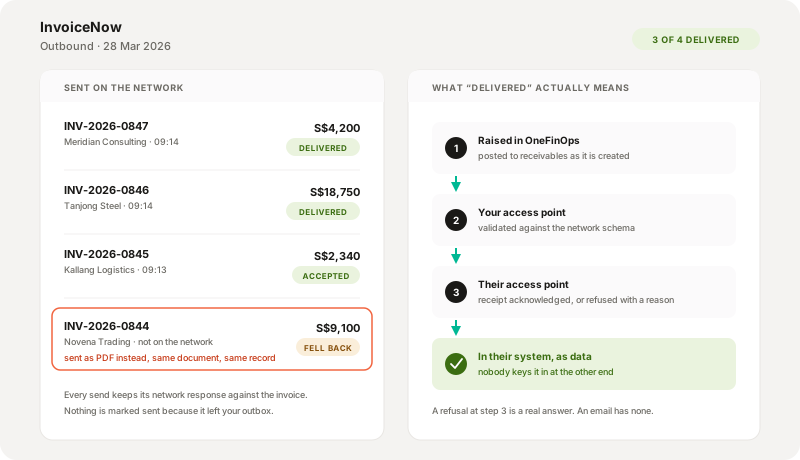
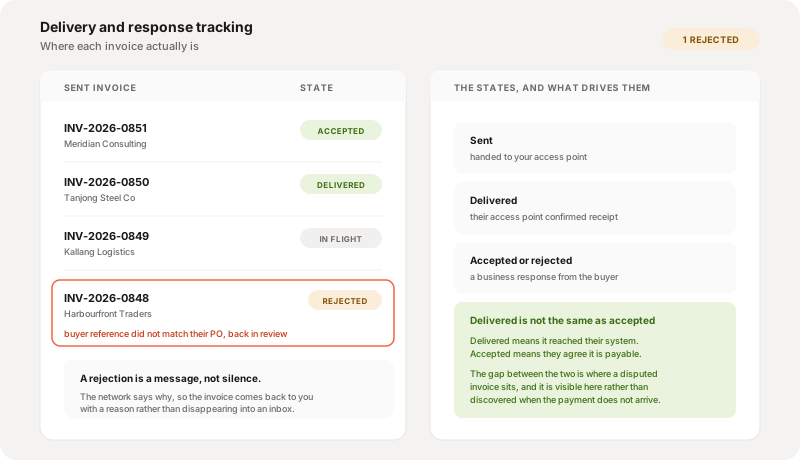
Delivery status sits on the invoice itself, so a failed send is visible where you would look for it rather than in a log. An invoice that never reached the customer is the one that never gets paid.
Bulk Sending
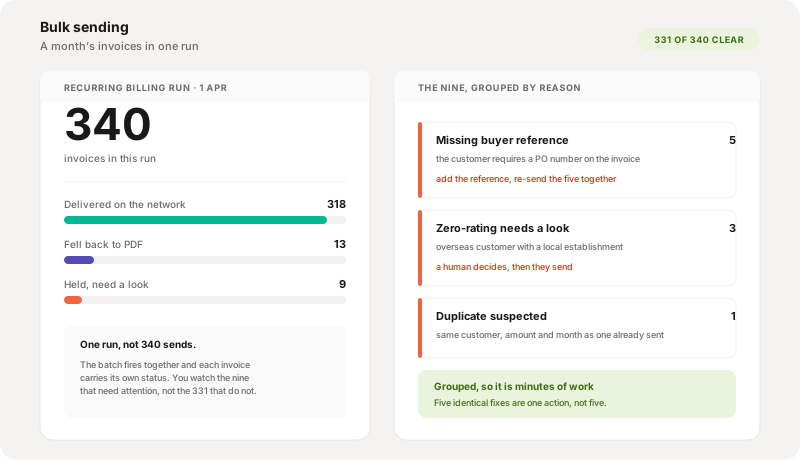
A month of invoices, one release.
Batch the run, release it, and watch delivery status post back per invoice as it completes. Failures surface as a short queue rather than being buried in a success count.
Multi-Entity
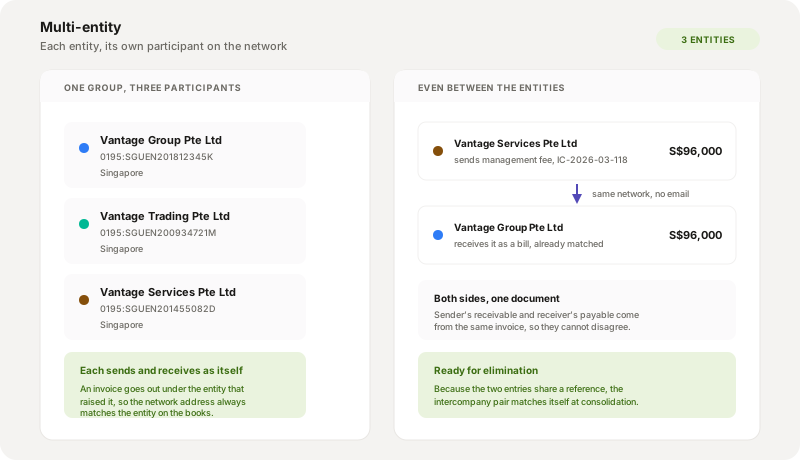
Several entities, one network connection to manage.
Each entity sends under its own identity, and the group view shows what went out from where. For a Singapore holding company with subsidiaries in the region, that is one screen instead of several.
Buyer FAQ
What teams ask before they switch.
How is this different from emailing a PDF?
A PDF is a picture of an invoice that a human has to read and re-type. On the network the invoice arrives as data, so your customer’s system can match it without anyone touching it. The difference shows up in how fast you get paid, not in how the invoice looks.
Do we need a separate e-invoicing tool?
No, and that is the point. The invoice on the network is the same record that hit your ledger and will drive your GST return. A separate tool means two versions of the same invoice and a reconciliation job that only exists because you bought the tool.
What if our customer is not on the network?
You send the way you always did, from the same screen. The network is a delivery channel, not a precondition, and which channel a customer uses sits on their record rather than in someone’s memory.
How do we correct an invoice we have already sent?
With a credit note against the original, which is how the network works. There is no cancellation flow to learn: the correction is an accounting document, and it travels the same way the invoice did.
When do we need to be on it?
The phase-in depends on your registration status and is worth confirming with your tax advisor, because the dates have moved. What we would say is that the work of connecting is small if your invoices already live on one record, and large if they live in three.
We bill from several entities. Is each one separate?
Each entity sends under its own identity, and the group view shows what went out from where. Adding an entity is a configuration step rather than another connection to maintain.
See your invoices go out on the network.
Connect your books, free. Send from the same record that drives your ledger and watch delivery status post back.
Comparing alternatives?