Multi-store POS reconciliation
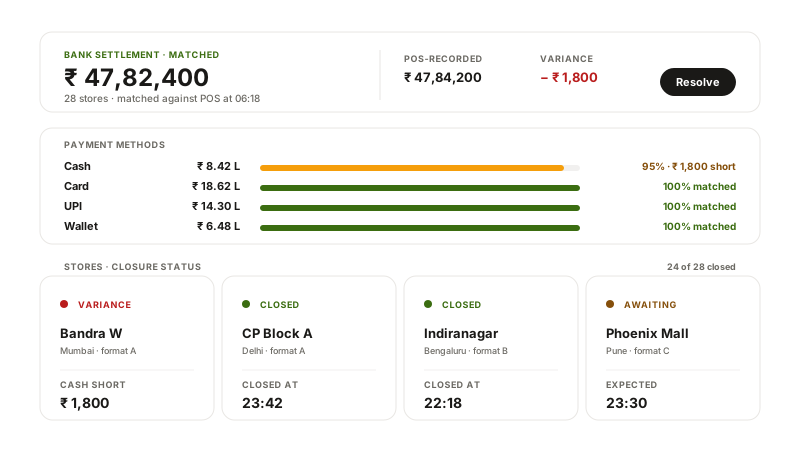
Daily cash, card, UPI, wallet and gift-card collections from each store auto-matched against bank settlement.

Daily POS reconciliation, per-store P&L, multi-state GST and PT, shrinkage tracking and mall-lease accounting. Built for retail chains running stores at scale.
A 50-store chain in 8 states is doing finance at a complexity generic tools were not built for. Per store, per state, per shift, per SKU.
Daily cash, card, UPI, wallet and gift-card collections from each store auto-matched against bank settlement.
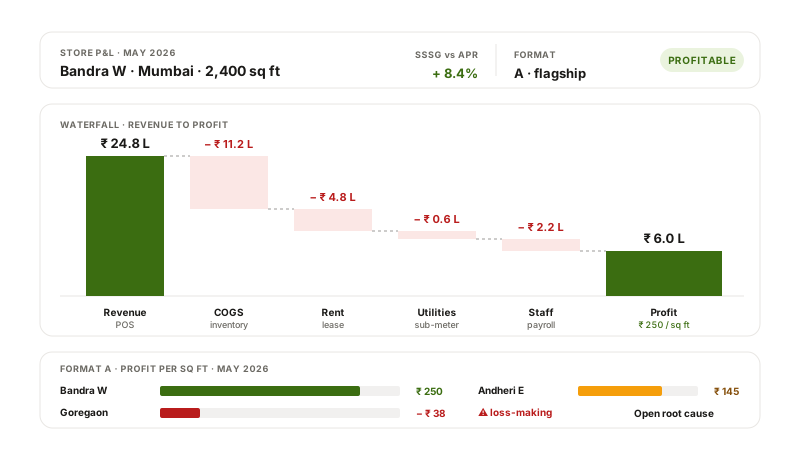
Each store as a sub-entity. Revenue, COGS, rent, utilities, staff cost. Profitability per square foot, per store, per region.
Per-state GSTIN with its own GSTR-1, 3B, 9. Inter-state stock transfers and inter-store returns handled automatically.
Per-store stock with daily ledger. Shrinkage and breakage adjustments with reason codes. Cycle count vs. book stock variance.
Damaged or unsold stock returned to vendor with credit note + GST reversal. Returnable transit tracked per challan.
Per-store rent, CAM, electricity sub-meter, common-area marketing levies. Recurring auto-bills with audit trail.
Each store's POS feeds cash, card, UPI and wallet collections into OneFinOps overnight. Bank settlement is auto-fetched and matched against expected receipts. Variances flagged with the source store and shift; resolution path includes the store manager.
Treat each store as a sub-entity. Revenue from POS, COGS from inventory movement, rent from lease, utilities from sub-meter, staff cost from payroll. The CFO sees per-store profitability rolled up; store managers see their own.
Ginesys, GoFrugal, Zoho POS, Shopify POS for retail, plus restaurant POS systems like Petpooja and PoSist for F&B chains. Custom POS via API or scheduled CSV import. Sales, inventory adjustments, refunds and shift summaries flow into OneFinOps overnight.
Each state's PT slabs and due dates tracked. Staff are tagged to their state of employment; PT challans generated per state per month. The compliance officer sees the firm-wide PT calendar; store managers see their store's slip.
Same legal entity, same state = stock transfer, no GST. Same legal entity, different state = different GSTINs = transfer requires zero-value invoice with the right place-of-supply and an e-way bill. OneFinOps generates these automatically and posts the inward stock at the receiving store.
F&B chains often face composite supply rules: a restaurant bill is a single composite supply taxed at 5% (without ITC) for dine-in, with separate GST treatment for take-away or delivery via platforms. OneFinOps applies the right rule per channel per bill. For 5-star hotels with restaurant service, the 18% slab applies; the platform recognises the entity type.
Yes. Loyalty point issuance and redemption tracked as a deferred liability. Gift cards as outstanding obligation. Both reconciled at period-end and flowed into the balance sheet correctly.
Cycle counts vs book stock surface variance per SKU per store. Adjustments require reason code (shrinkage, damage, theft, weighment loss) and approval threshold. Damaged goods to vendor return generate the credit note + GST reversal. Inventory write-off posts to the right GL.
The Books bundle covers single-store and small-chain operations. The Operate bundle is designed for multi-store, multi-state with 3-way matching and compliance depth. Most retail customers cross into Operate by the time they hit 5+ stores or 2+ states. Talk to sales for pricing scoped to your footprint.
A 30-minute walkthrough on your store count, format mix and POS stack.