The order to cash (O2C) process is the set of steps a business follows from receiving a customer’s order to collecting and recording the payment. It runs across sales, operations and finance, and that is where it leaks: a price that does not match the PO, or a receipt nobody applied, adds weeks to every cycle.
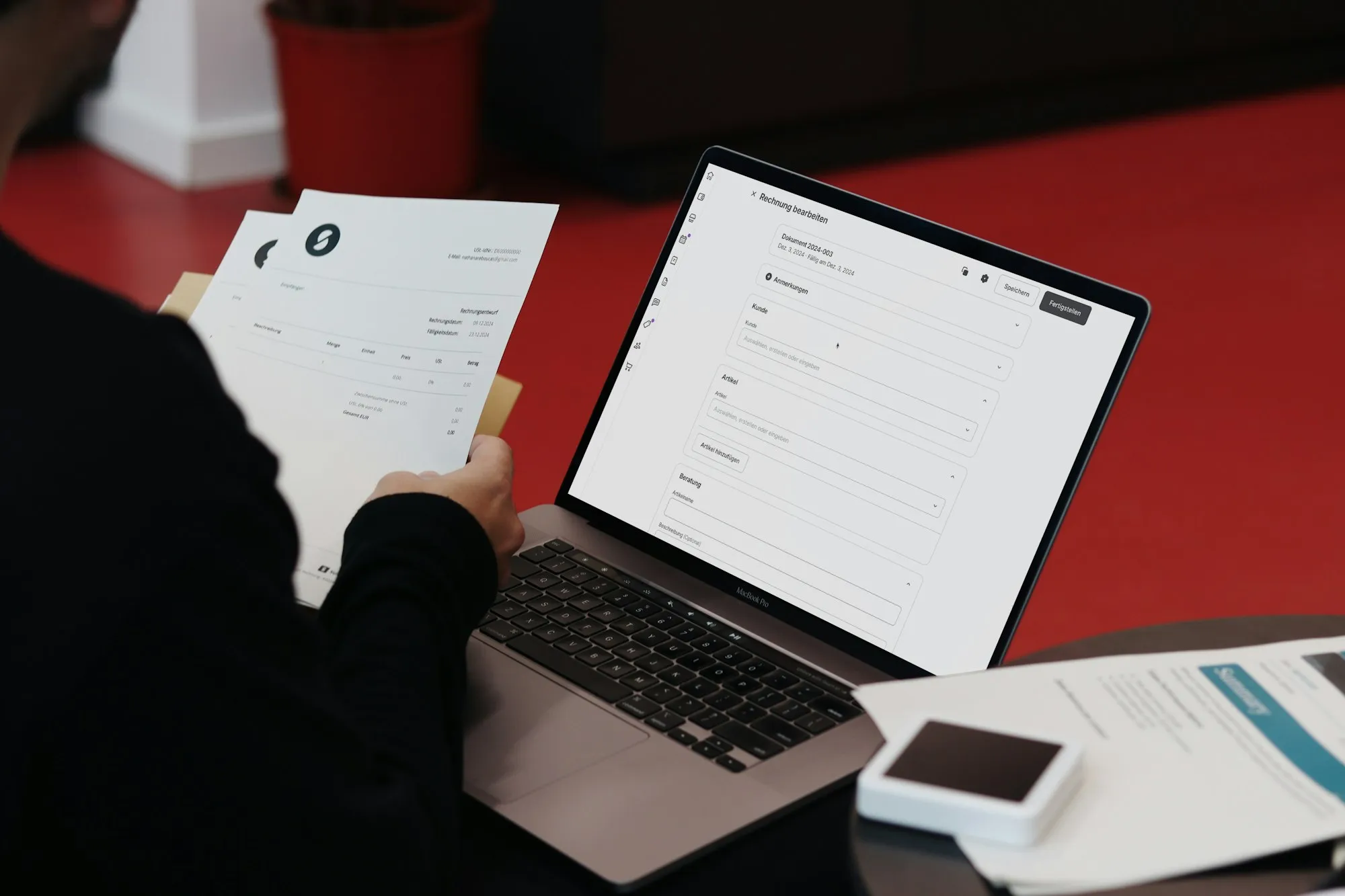
In OneFinOps, the Billing Agent and the Collections Agent work from the same record.
Key takeaways
- O2C runs from order entry to reconciliation, wider than accounts receivable.
- E-invoice IRN, e-way bill, GSTR-1 and customer TDS are checkpoints inside it.
- Most delay happens at hand-offs, so track cycle time end to end.
Order to cash process steps
| Step | What happens | India checkpoint |
|---|---|---|
| 1. Order | Sales order from the customer’s PO; price, terms and GSTIN checked | Record the customer’s PO number |
| 2. Credit check | Order tested against credit limit and overdue invoices | Over-limit orders go to a credit controller |
| 3. Delivery | Goods dispatched or service completed, with proof | E-way bill for consignments above ₹50,000 |
| 4. Invoicing | Tax invoice with rule 46 particulars | E-invoice with IRN above ₹5 crore aggregate turnover |
| 5. Collections | Reminders before and after the due date | MSMED Act 45-day cap for Udyam sellers |
| 6. Cash application | Receipt matched to invoices | Customer TDS posted to TDS receivable |
| 7. Disputes | Short payments logged with a reason and owner | GST credit note under section 34 |
| 8. Reconciliation | Ledgers, aging, DSO and provisions reviewed | GSTR-1 filed; TDS matched to Form 26AS or AIS |
File GSTR-1 on time: your customer’s input tax credit depends on it reaching their GSTR-2B, so a gap gives them a reason to hold payment.
Order to cash example
A Coimbatore pump manufacturer sells 20 pumps for ₹10,62,000 including GST, on net 30:
- Day 0: customer PO received. Day 2: ₹2 lakh over limit, released after an overdue invoice was paid.
- Day 9: dispatch, e-way bill, e-invoice and invoice sent.
- Day 39: due date; customer AP says the GRN is pending. Day 50: paid.
- Cycle time: 50 days against 30-day terms. Confirming the GRN at delivery would have saved most of the last 11. To see what a cycle like this does to working capital, run your numbers through the DSO, DPO and cash conversion cycle calculator.
O2C vs P2P: what is the difference?
Your sales invoice becomes your customer’s purchase invoice. O2C is the selling side and ends with cash received and applied, tracked by DSO. Procure to pay is the buying side and ends with the supplier paid, tracked by DPO. Record to report (R2R) takes entries from both and runs the close.
How OneFinOps handles order to cash
Credit is tested when the order is taken, against live exposure including open orders, and an over-limit order is blocked until a person releases it. The Billing Agent raises invoices from the order, delivery, contract or milestone that earned them; a draft priced outside the contract goes to the account owner before release. Once the invoice is out, the Collections Agent sends reminders, matches receipts and opens a dispute case on a short payment.
Separate tools for billing and collections each see half the cycle. Here the 50-day cycle shows where its days went.