


Prasanthi Vijayagiri
Co-founder · EverUptime
As an early-stage team, we can't justify a finance back office. OneFinOps gives us clean, compliant books from day one.

Financial Operations
Tax, E-Invoicing & Compliance
By Role
By Industry
Subscription Billing
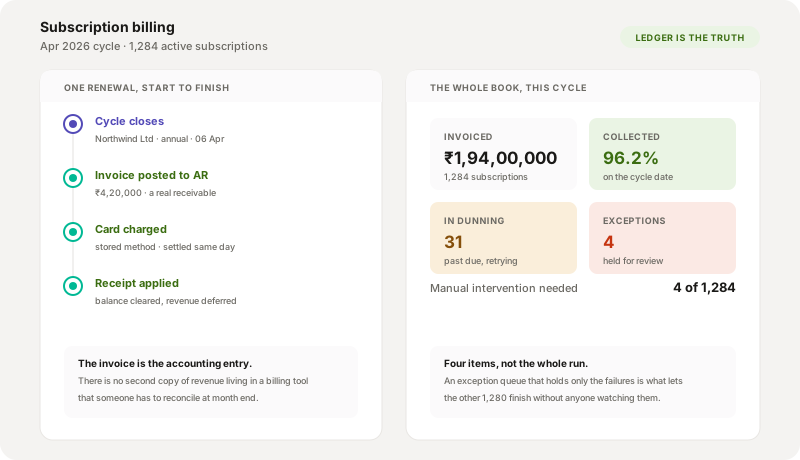
Plans, proration, dunning and revenue recognition on one engine. Every billing cycle posts an invoice to receivables as the system of record, so billing never keeps a second copy of your revenue.
Trusted by finance teams










Subscription Management
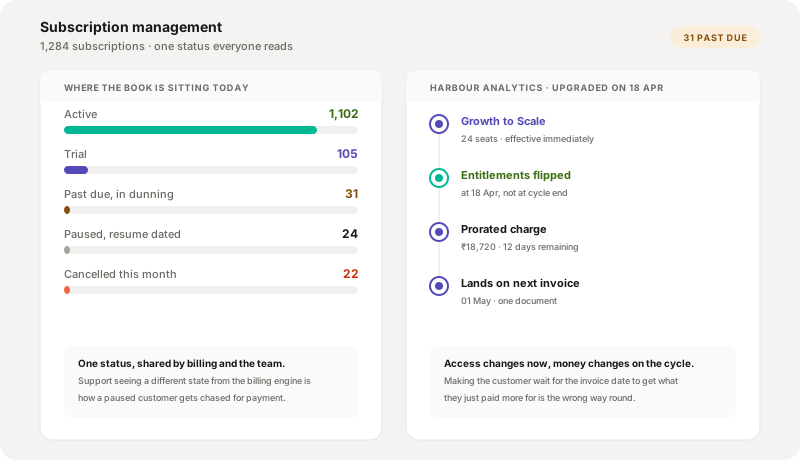
Trials, upgrades, downgrades, pauses, add-ons and cancellations on a single timeline. Entitlements update the moment a plan changes. The status the billing engine charges on is the status your team sees.
Recurring Billing
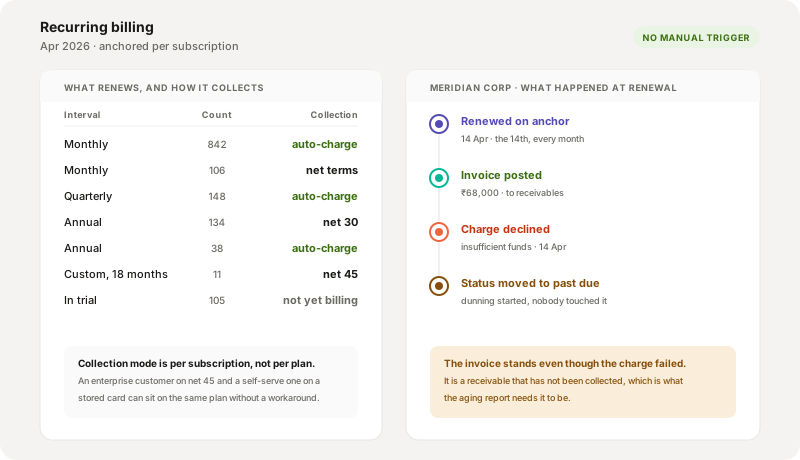
Monthly, quarterly, annual or custom cycles renew on schedule and generate the next invoice without anyone touching it. Auto-charge stored payment methods, or send a net-terms invoice. The cycle is the contract.
Usage-Based Billing
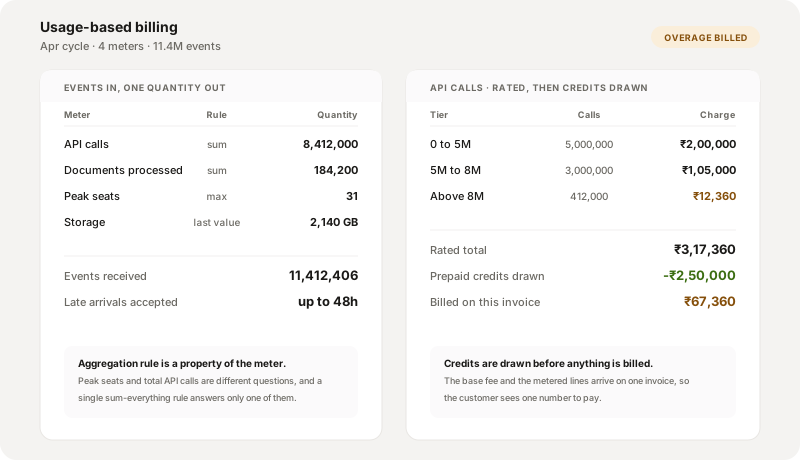
Ingest usage events, aggregate by sum, max or last value, and rate them on flat, per-unit, tiered, volume or stairstep pricing. Overage settles at the end of the cycle. Pre-paid credits draw down as usage lands.
Pricing & Plans
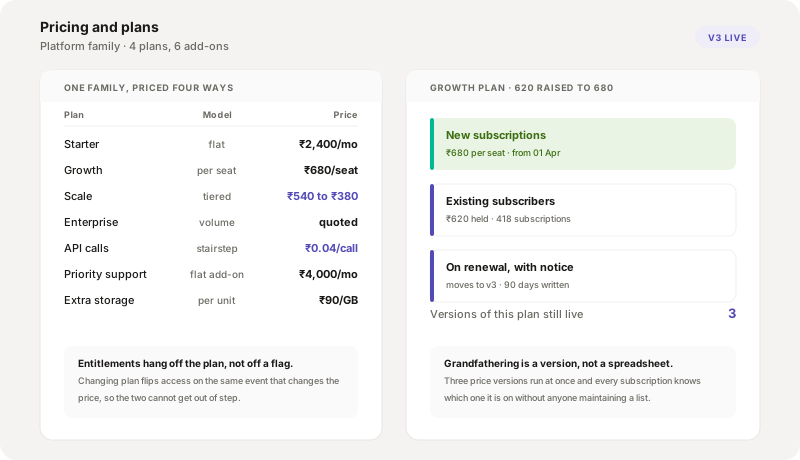
Product families, plans, add-ons, one-off charges, price tiers and entitlements, all configured, not coded. Launch a new plan or grandfather an old one without a release. Migrate a Stripe or Chargebee catalog field for field.
Dunning & Recovery
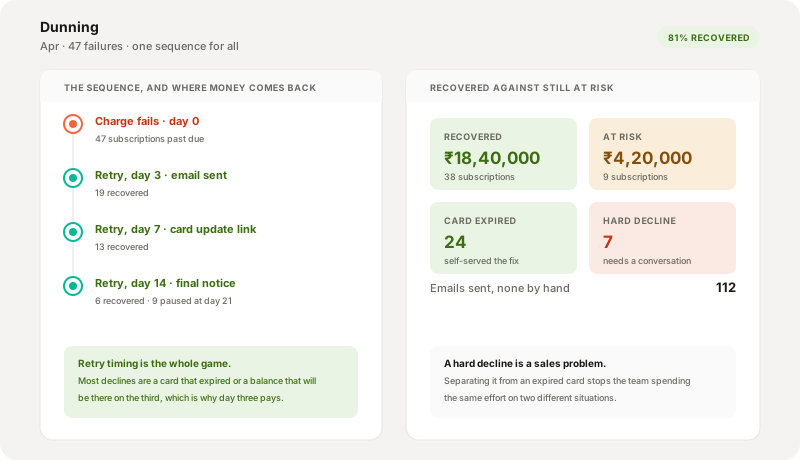
Smart retries on a schedule you control, with dunning emails and a hosted update-card page. Past-due subscriptions move through grace, retry and pause states automatically. You see what was recovered and what is at risk.
Recurring Invoicing
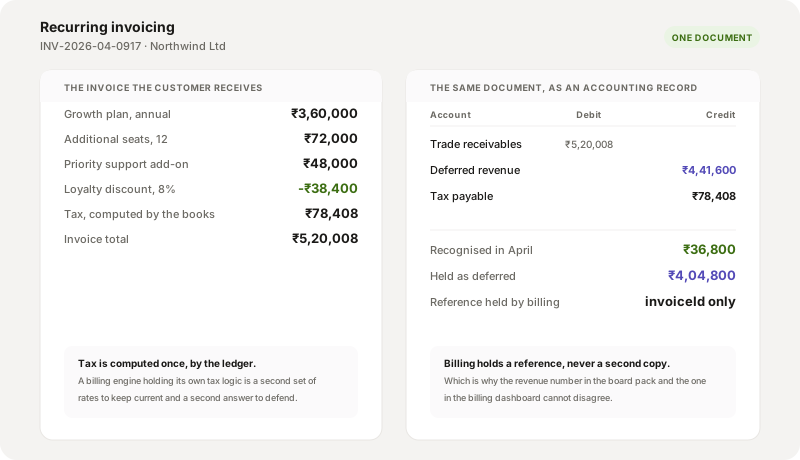
Each billing cycle posts a real invoice to your books, with tax computed by the ledger, not duplicated in billing. Where e-invoicing applies, the IRN and QR are raised on the same invoice. One number, one source of truth.
Revenue Recognition
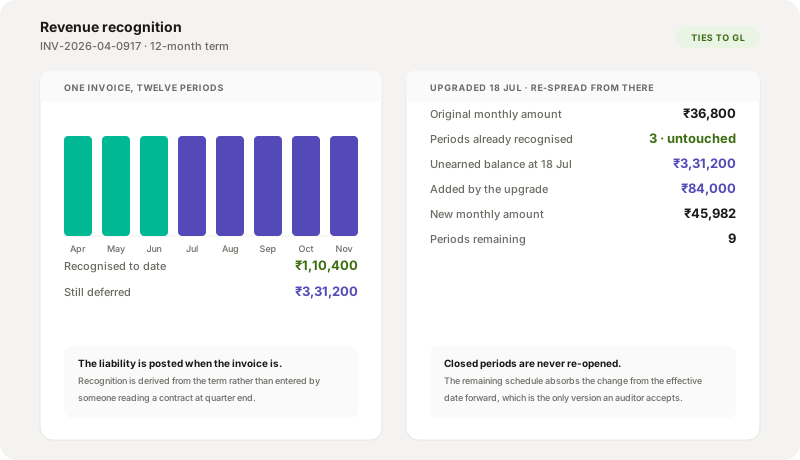
Deferred revenue and recognition schedules are derived from the subscription term, not maintained by hand. Upgrades and credits re-spread automatically. Recognised revenue ties out to the ledger under IFRS 15 and Ind-AS 115.
Billing Automation
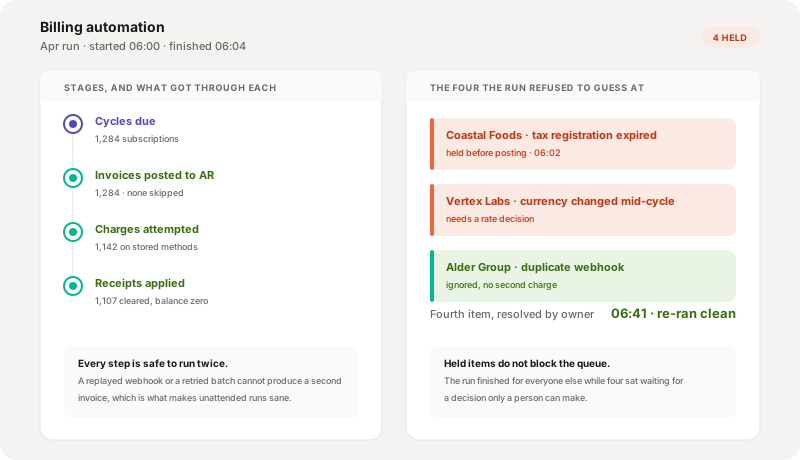
The renewal worker generates the invoice, the invoice posts to receivables, the charge collects, and the cash applies, end to end. Exceptions surface on a queue. The happy path needs no human at all.
Subscription Analytics
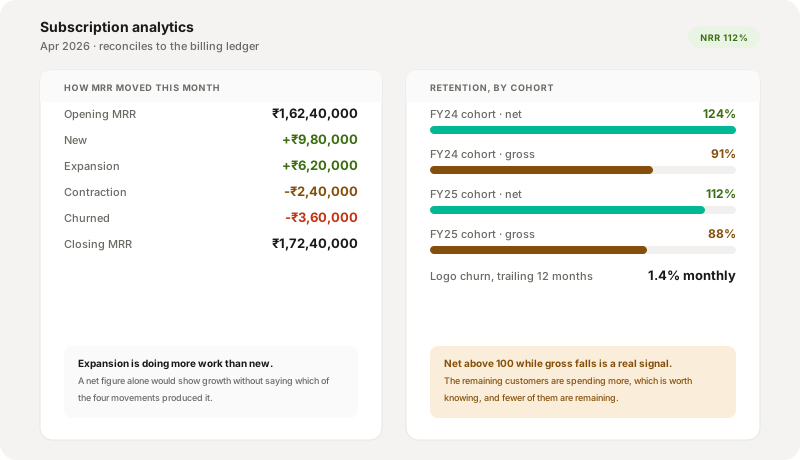
New, expansion, contraction and churned MRR broken out by plan and cohort. ARR, net and gross retention, and lifetime value, computed from the same subscriptions you bill, not a separate analytics import.
Proration & Plan Changes
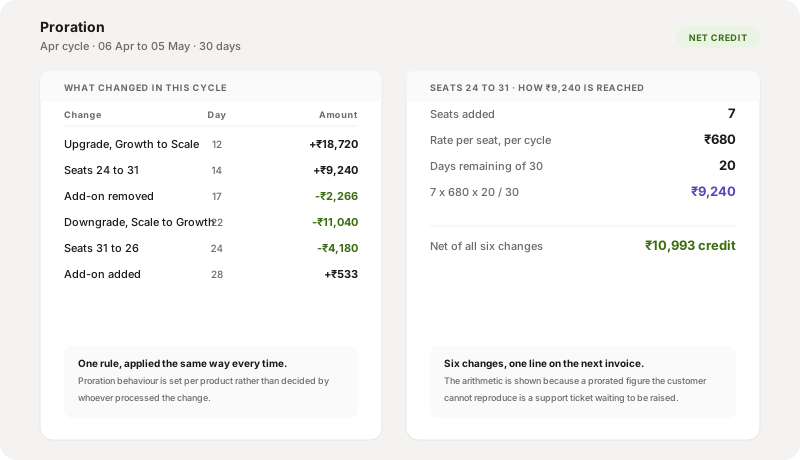
Upgrade, downgrade or change quantity mid-cycle and the engine prorates the difference to the day, credits the unused portion and rolls it into the next invoice. The rule is configurable and applied the same way every time.
Why teams bill here
receivables owns the invoice; billing never duplicates it
flat, per-unit, tiered, volume and stairstep pricing
renewal to invoice to charge to applied cash
and Ind-AS 115 revenue recognition, derived not keyed
Customer stories
Renewals that run themselves, failed payments recovered, and revenue that ties out to the books without a reconciliation.
Prasanthi Vijayagiri
Co-founder · EverUptime
As an early-stage team, we can't justify a finance back office. OneFinOps gives us clean, compliant books from day one.

Sashi Pagadala
CEO · Praval
Coordinating finance and procurement used to eat hours every day. OneFinOps now saves our team nearly 18 hours a week.

Rakesh Vaddadi
Co-founder & CEO · Beacon.li
OneFinOps centralized our accounting, GST and approvals into one workflow. We now process vendor invoices 2.4x faster.
Buyer FAQ
Those are standalone billing engines that hand an invoice back to your accounting system to record. Here, billing and the ledger are one platform: each cycle posts a real invoice to receivables, tax is computed once by the books, and recognised revenue ties out without a sync. You get subscription billing without a second source of truth for revenue.
Yes. The catalog models product families, plans, add-ons, prices, tiers and entitlements the same way Stripe and Chargebee do, so plans and active subscriptions map field for field. Customers, payment methods and renewal dates come across so billing continues on the same cycle.
Yes. Ingest usage events, aggregate them by sum, max or last value, and rate them on flat, per-unit, tiered, volume or stairstep models. A subscription can mix a recurring base fee, entitlements and metered overage on the same invoice.
Recognition schedules are derived from the subscription term, so deferred revenue and recognised revenue post on the right period regardless of when you billed. Upgrades, downgrades and credits re-spread automatically, and the result reconciles to the ledger under IFRS 15 and Ind-AS 115.
The subscription moves into a past-due state and the dunning sequence takes over: smart retries on your schedule, dunning emails, and a hosted page for the customer to update their card. You see recovered revenue and at-risk revenue without building a spreadsheet.
Yes. Because each cycle posts a real invoice to the books, e-invoicing runs on that invoice where it applies: IRN and QR are raised on the same document the customer is billed on. Billing stays country-agnostic and the tax layer handles the local rules.
Bring a plan, a price and a test customer. Watch a renewal generate the invoice, post to receivables, collect the charge and recognise the revenue, end to end.
Comparing alternatives?